A seed. Sometimes just a millimeter wide, yet it hides life within. It takes so little for nature to create a brand-new organism with everything it needs in just a few months.
During January and February, it’s the right time to decide what to get into this year. I actually got started last year, collecting lots of seeds from annuals and perennials around the garden during the summer and autumn.
I tried to find out how it all works with seeds, how to avoid failure, and what you won’t read on the labels from a seedsman through and through, Petr Molek.
What is seed saving, what does it involve, and how can you make a living from it?
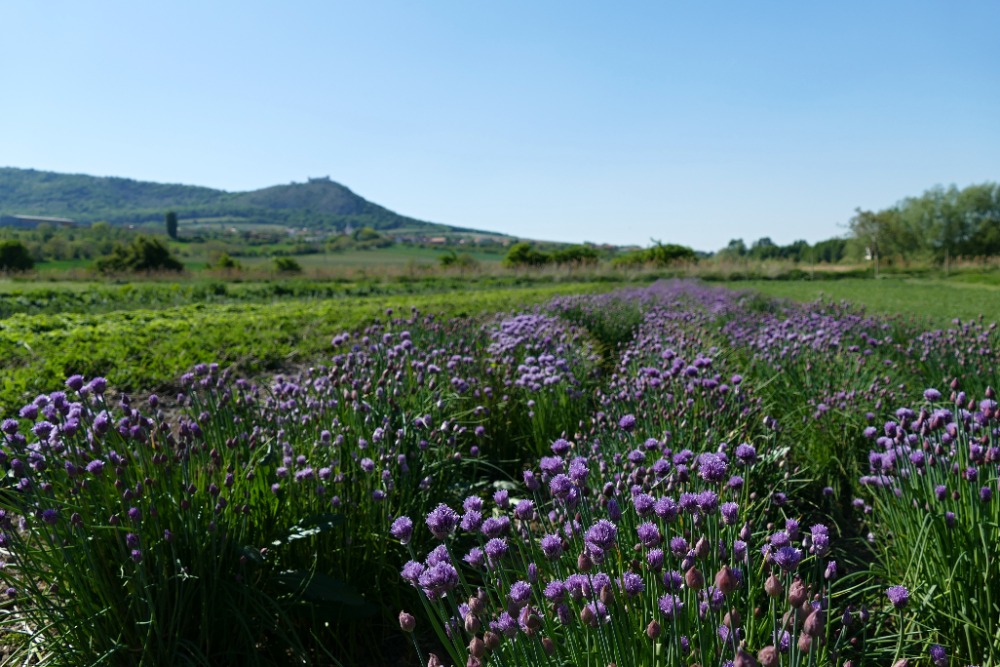
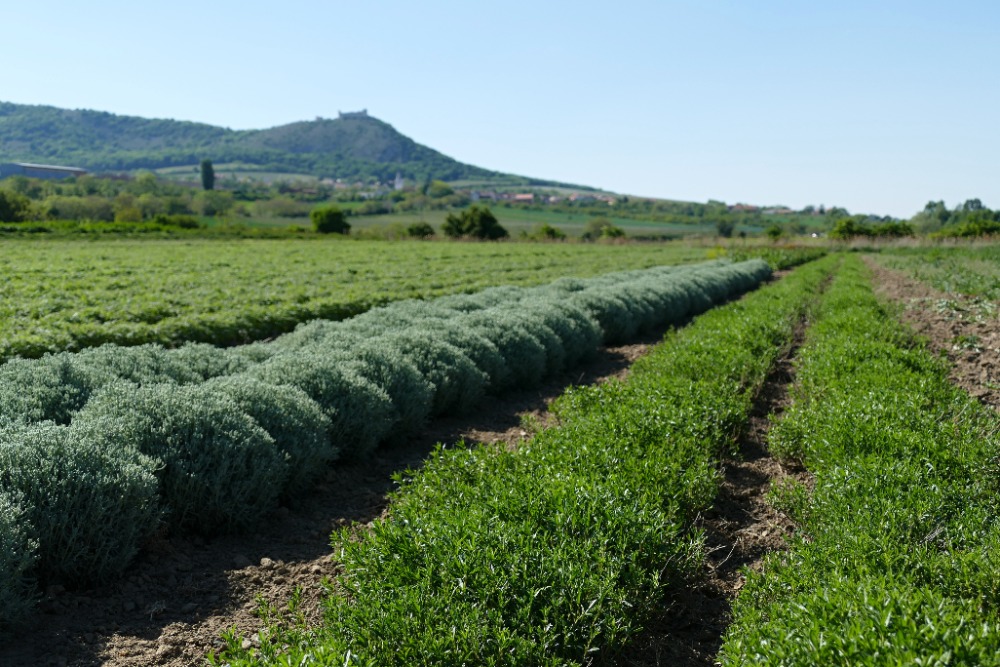
Perennial seed production—I prefer that term—is gardening like any other. When raising seedlings and the actual growing, it involves traditional gardening techniques, using common sense, steady nerves when determining harvest maturity, and luck when it comes to the weather.
You can definitely make a living from it; many seeds are edible, but then again, I’d be reducing my harvest, so no snacking.
But that’s probably not how the question was meant, so briefly: yes, you can make a living from seed production.
How did you get into it? Was it your dream since kindergarten, or a coincidence?
Unfortunately, I didn’t have such perfect dreams in kindergarten; if I had, maybe I wouldn’t be doing it—though that’s not true, I would!
It was a coincidence. After working in green space maintenance, growing annuals for city plantings, and an educational phase among nurserymen at Arboeko, I contacted Filip Klíma, the owner of a garden center in Jindřichův Hradec, thanks to a tip from the great gardener Pavel Chlouba. At that time, Filip and his parents—passionate rock gardeners from Dolní Pěna—were growing perennials on their land in Dolní Pěna and also organizing many other growers.
Thanks to them, I learned what seed saving involves and had the chance to get to know rock gardening, new plants, and the amazing people around it. When market conditions started to change, Filip Klíma gave me the opportunity to continue the activity. Since then, the assortment and the growers have partially changed, but the foundations I “soaked up” thanks to the Klímas from Pěna are still with me.
Is there still something that can surprise you about your work? Whether positively or negatively?
Since I “cooperate” with nature—or rather, she cooperates with me—there’s no shortage of both positive and negative surprises.
Every seed needs ideal environmental conditions to germinate. Some in the dark, others in the light. Can I, as an amateur, deduce what’s best for them from their appearance?
Certainly, there’s nothing complicated about it, at least regarding light conditions. Small, fine seeds aren’t covered when sown; they’re just pressed into the sowing substrate, unlike the larger ones.
What does the lifespan of seeds depend on? What should we watch out for during storage? And how do we recognize species that lose their germination capacity after just a year?
The lifespan or germination rate of seeds is a matter of species, as is storage. For example, Asteraceae can be stored in a dry place at normal temperatures, whereas columbines are best kept in the cold of a refrigerator.
We can never create ideal conditions for long-term storage at home; plus, germination rates drop even in optimal conditions. Seed companies always perform germination tests before any batch is released.
Some seeds need to go through specific processes to germinate—thermal, mechanical, etc. Can you tell us a few interesting examples?
Specific processes aren’t actually that specific; seeds germinate in nature too. It’s just that by how we handle the seeds and the conditions the sowing is placed in, we can speed up and unify germination, prevent uneven sprouting, and avoid potential dormancy—meaning the seed germinating only after several years (peonies, hellebores, irises…).
Large seeds can therefore be treated chemically or mechanically, e.g., shaking with sand, soaking, or scarifying.
Regarding the germination process, for some seeds, you can improve germination by alternating temperatures: high (18-22°C) for several weeks, then 4-6 weeks at temperatures around zero. The condition is always to keep the sowing at optimal humidity and temperatures not below -5°C.
To achieve better germination, various treatments are used nowadays, such as seed coating or pelleting of small seeds.
What’s the smallest seed you collect? How do you pack such seeds?
Really small seeds, comparable to dust, are found in houseleeks and stonecrops, for example; coral bells are a bit larger.
As for packaging, since I grow for wholesale, it’s usually the case that small seeds with a TSW (thousand seed weight) of, say, 0.25g—like the mentioned houseleek—are very small volumes, so I use paper bags.
Is there anything else you’d like to say or add?
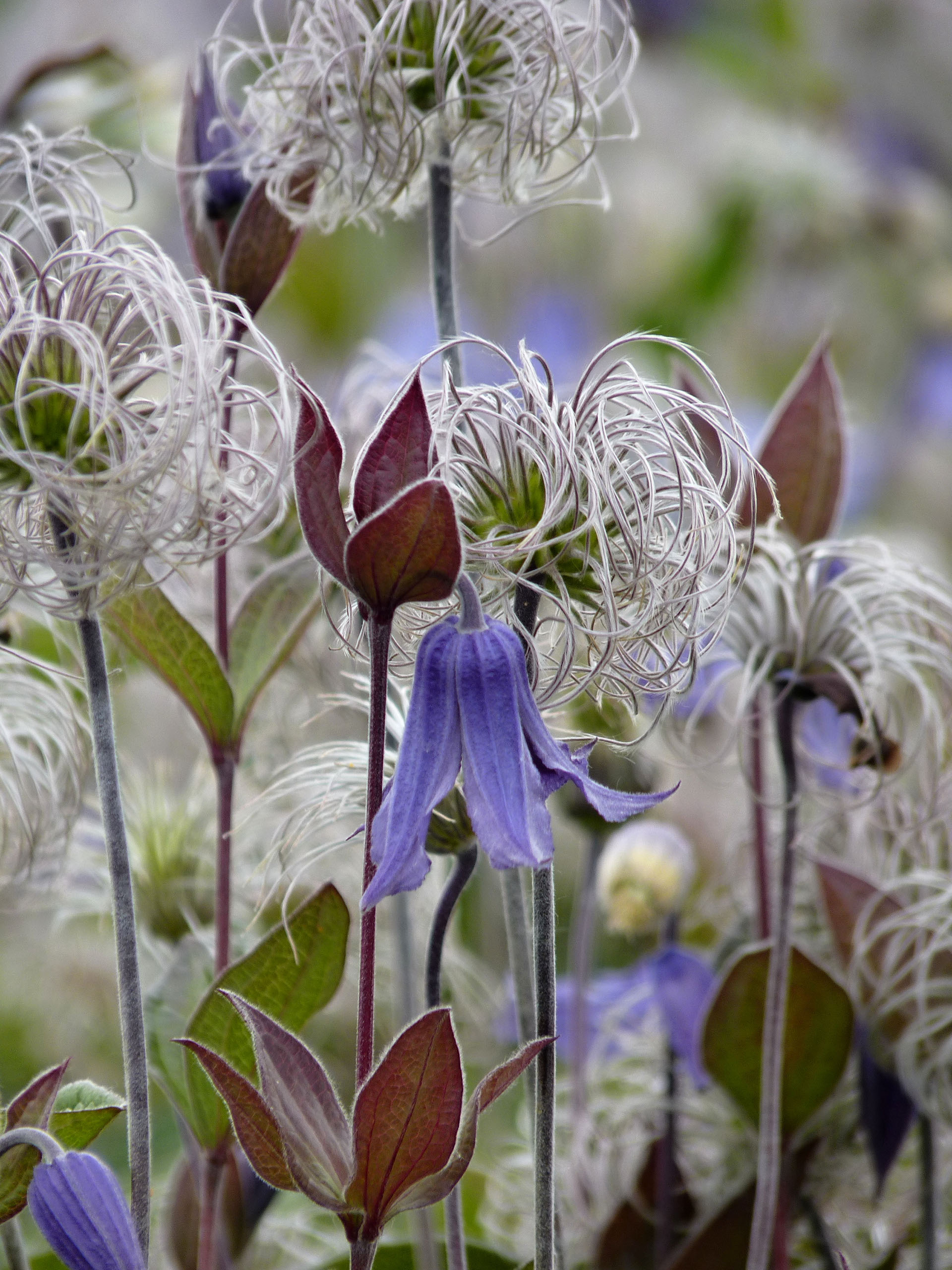
Yes, don’t be afraid of perennials grown from seed. Maybe you’ll manage to discover a plant in your sowing that’s different, and one day, thanks to some unique trait, it might be grown all over the world. You never know.
And so we agree with Petr. Don’t be afraid to sow anything you find. Maybe you’ll become a professional seedsman too!